01AI STRATEGY
Transform with AI
Move from scattered experiments to responsible adoption, a prioritized use-case portfolio, and pilots your team can measure.
Assess your AI opportunityAI STRATEGY · PARTNERSHIPS · EXECUTION
Damon Willis helps executives and institutions use AI, strategic partnerships, and better operating systems to move from ambitious ideas to practical results.
Executive leader • AI product builder • Partnership strategist • Applied researcher
THREE WAYS TO WORK TOGETHER
Important problems rarely fail because leaders lack ideas. They fail because strategy, people, technology, and execution never become one system.
Move from scattered experiments to responsible adoption, a prioritized use-case portfolio, and pilots your team can measure.
Assess your AI opportunityCreate durable ecosystems where the value proposition is clear, stakeholders stay aligned, and outcomes earn renewal.
Build the partnership roadmapConnect priorities, decisions, dashboards, accountability, and automation so strong strategies become everyday execution.
Design your operating systemA REPEATABLE METHOD
Six moves that turn an ambitious idea into a measurable, repeatable, and compounding advantage.
Explore the advisory methodSee what is changing—and what matters.
Choose the highest-leverage opportunity.
Connect people, incentives, and evidence.
Turn strategy into a working system.
Make progress visible and trustworthy.
Convert learning into reusable advantage.
SELECTED OPERATING OUTCOMES
Three chapters across education, commercial strategy, and partnership systems—presented without borrowed logos or inflated attribution.
View all case studiesWhile working directly with students as a reading interventionist and computer instructor, Damon helped support a third-grade learning environment with a significant proficiency challenge.
Read the case studyAt Union Pacific, Damon worked in commercial leadership across a large, complex customer portfolio where service, customer needs, operating constraints, and revenue decisions had to stay aligned.
Read the case studyIn his current district leadership role, Damon leads engagement and partnership-impact work across a large ecosystem serving schools, students, families, community organizations, and corporate partners.
Read the case studySTRATEGY · SYSTEMS · HUMAN POSSIBILITY
DWSPEAKING & WORKSHOPS
Keynotes and workshops connecting executive leadership, AI strategy, partnership growth, practical evidence, and a personal story of reinvention.
AI & PRODUCT LAB
Practical AI tools, executive playbooks, dashboards, and workflow experiments—clearly labeled by status.
Explore a pilotFind the right first pilot in five minutes.
Turn priorities, risks, and decisions into one view.
Measure value, alignment, and renewal readiness.
THE WILLIS ECOSYSTEM
Damon’s work extends across advisory, media, technology, community connection, and real estate.
DAMON-LED VENTURES · PLATFORMS · EXPERIMENTSStrategy, partnership, performance, impact-measurement, and AI-readiness consulting for education and mission-driven organizations.
Clear, practical AI walkthroughs for capable adults 35+ who want useful results without hype or jargon.
A consent-first platform concept connecting responsible genetic context, cultural learning, and human connection across the African diaspora.
A family-supported studio helping small businesses launch professional, affordable websites quickly.
A direct-to-buyer property platform exploring transparent land opportunities and accessible owner-financing pathways.
Institutional leadership experience is presented separately from Damon-led ventures so employment, collaboration, and ownership remain clear.
FOLLOW THE WORK
Follow Damon’s perspective on strategic partnerships, education systems, measurable impact, leadership, and building with AI.
Clear AI walkthroughs for capable adults 35+—professionals, consultants, small-business owners, and anyone reinventing their next chapter.
IDEAS FOR LEADERS WHO BUILD
A five-part operating rhythm that turns useful resources into coordinated support for students and families.
Read the articleMeasure a partnership by the barriers it removes and outcomes it improves—not the logos it collects.
Read the articleStudent mobility is an early attendance-risk signal—and a prompt for a faster, more human response.
Read the article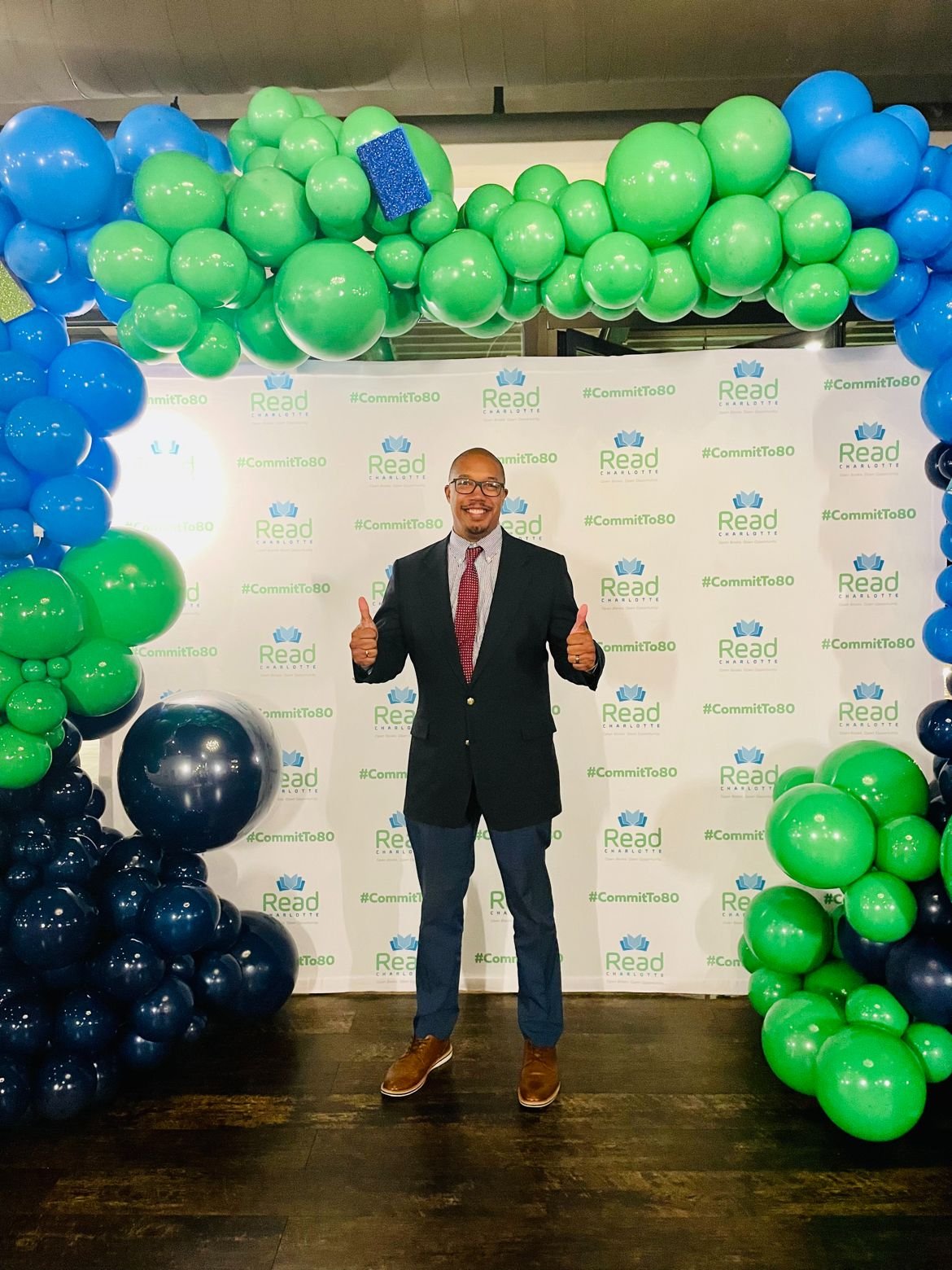
ABOUT DAMON
“Transformation becomes real when people, technology, evidence, and execution begin working as one.”
Damon’s path—from high-school dropout and artist to educator, commercial leader, partnership executive, and AI builder—is a story of reinvention made practical.
Read Damon’s storySTART WITH THE RIGHT CONVERSATION
Choose the path closest to your goal. Each page explains the audience, outcomes, approach, evidence, and next step.